Extensions of
Engineering
"Not decoration. Not upgrades by default."
They are tools—designed to solve specific performance problems.
Every accessory here exists to address one of four forces:
Wheels & Tires
Where force meets the surface
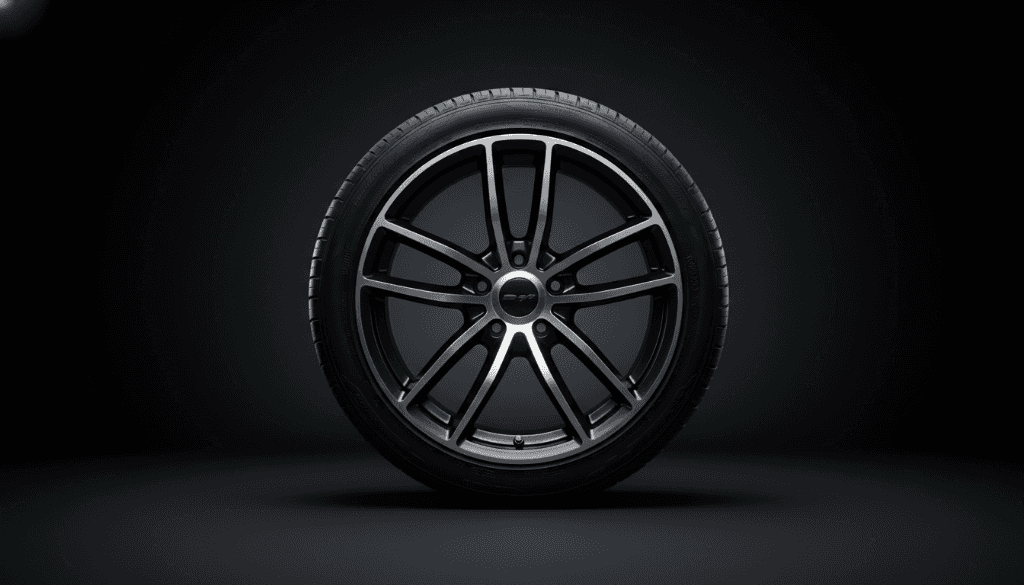
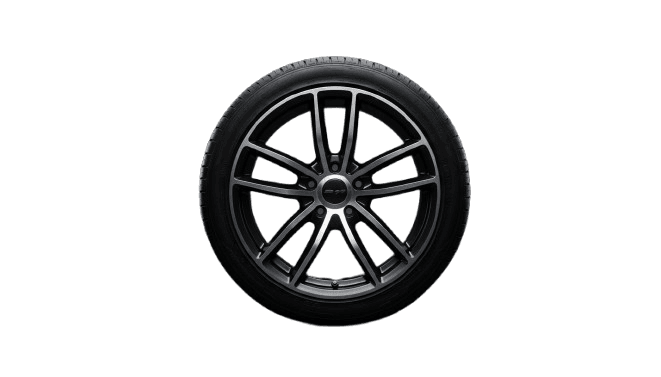
High-Performance Alloy Wheels
Wheels are structural components, not cosmetic parts.
Engineering considerations
- Load rating under extreme torque
- Resistance to brake-generated heat
- Hub-centric design to reduce vibration
- Offset and width tuned for stability
Performance impact
- Wider wheels increase tire contact patch
- Correct offset improves straight-line stability
- Stronger alloys resist deformation under launch shock
Performance & Drag Tires
Tires define usable performance more than horsepower.
Street-Performance Tires
- • Balanced grip and durability
- • Predictable behavior at speed
- • Designed for heat cycling over time
Drag-Focused Tires
- • Soft compound for maximum launch grip
- • Flexible sidewalls for weight transfer
- • Optimized for straight-line acceleration
Airflow & Power Management
Feeding the engine, controlling the environment
High-Flow Intake Systems
Airflow becomes a bottleneck as power increases.
Purpose
- Reduce intake restriction
- Lower intake air temperature
- Improve throttle response under load
Engineering Logic:Cooler, denser air allows more stable combustion—especially under sustained boost.
Exhaust System Components
Exhaust flow influences heat and backpressure.
Performance benefits
- Reduced exhaust restriction
- Improved thermal evacuation
- Enhanced engine breathing at high load
Cooling & Thermal Control
Performance that survives repetition
Upgraded Radiators & Heat Exchangers
High-output engines generate heat faster than stock systems expect.
Purpose
- Increase thermal capacity
- Reduce heat soak during repeated pulls
- Stabilize operating temperatures
Intercooling Enhancements (Supercharged)
Boost increases intake temperature dramatically.
Engineering Goal
- Maintain consistent air density
- Prevent power fade under sustained boost
- Protect internal components from thermal stress
Suspension & Chassis Control
Managing weight transfer and stability
Performance Suspension Components
Suspension controls how force moves through the car.
Key functions
- Control squat during acceleration
- Reduce instability during braking
- Maintain tire contact under load
Chassis Bracing & Reinforcement
Power exposes structural weaknesses.
Purpose
- Reduce chassis flex
- Improve steering precision
- Maintain alignment under extreme load
Braking System Upgrades
Velocity demands authority
High-Performance Brake Systems
Stopping power must scale with speed.
Engineering benefits
- Larger rotors for heat dissipation
- Multi-piston calipers for even pressure
- Pads designed for high-temperature operation
Brake Cooling & Fluid Upgrades
Often overlooked, always critical.
- • High-temperature brake fluid resists fade
- • Cooling ducts reduce rotor temperatures
- • Extends braking consistency under stress
Driver-Interface & Control
The driver is part of the system
Performance Seating
Seats affect control as much as suspension.
Purpose
- Support the driver under lateral load
- Reduce fatigue
- Improve steering and pedal precision
Steering & Control Enhancements
Driver input must remain clear under force.
- • Reduced compliance in steering components
- • Improved feedback at speed
- • Greater confidence under acceleration and braking
Protection & Durability
Preparing for consequences
Undercarriage & Component Protection
High-performance driving exposes vulnerable systems.
Purpose
- Protect oil pans, exhaust, and driveline
- Prevent damage during aggressive use
- Maintain reliability in harsh conditions
Driveline Reinforcement
Torque must travel cleanly.
- • Strengthened mounts reduce flex
- • Improved joints handle shock loads
- • Reduces risk of component failure during launches
⚠️ Performance Reality Check
Accessories do not remove consequences.
They manage them.
Recommended vs Not Recommended
Performance with intent, not impulse. Not every modification improves performance.
This section clarifies the difference.
Recommended Accessories
Enhance performance, control, and durability.
These accessories address real engineering constraints.
High-Quality Performance Tires
- ✓ Directly improve traction and braking
- ✓ Predictable behavior under load
- ✓ Designed for high-speed stability
Benefit: More usable power, not just more power.
Upgraded Cooling Components
(Radiators, heat exchangers, intercoolers)
- ✓ Reduce heat soak during aggressive driving
- ✓ Maintain consistent performance
- ✓ Protect engine and transmission longevity
Benefit: Sustained output instead of short bursts.
High-Performance Brake Systems
(Rotors, calipers, pads, fluid)
- ✓ Improved stopping consistency
- ✓ Better heat management
- ✓ Reduced fade under repeated braking
Benefit: Confidence when decelerating from speed.
Suspension & Chassis Reinforcement
(Springs, dampers, bracing)
- ✓ Controls weight transfer
- ✓ Improves stability and steering response
- ✓ Keeps alignment consistent under force
Benefit: Power becomes controllable, not chaotic.
Driveline Reinforcement
(Mounts, joints, structural supports)
- ✓ Reduces flex under extreme torque
- ✓ Improves durability during launches
- ✓ Protects critical drivetrain components
Benefit: Force travels cleanly through the system.
Not Recommended
Increase stress without meaningful performance gain.
Often look aggressive—but introduce instability.
Poorly Designed Cosmetic Mods
(Non-functional vents, oversized body kits)
- x Add weight without benefit
- x Disrupt airflow
- x Offer no mechanical advantage
Reality: Appearance ≠ performance.
Low-Quality Power Adders
(Unverified tunes, cheap boost devices)
- x Increase cylinder pressure without supporting hardware
- x Raise failure risk dramatically
- x Often compromise engine safety margins
Reality: Power without support breaks things.
Extreme Lowering Without Geometry Correction
- x Disrupts suspension travel
- x Increases bump steer
- x Reduces traction under acceleration
Reality: Lower isn’t always faster.
Drag Tires for Daily Street Use
- x Poor wet-weather performance
- x Faster wear
- x Reduced high-speed stability
Reality: Built for launches, not everyday safety.
Noise-Focused Exhaust Systems
- x Minimal performance benefit
- x Increased heat without airflow optimization
- x Often tuned for sound, not efficiency
Reality: Louder doesn’t mean faster.
Beginner vs Advanced
Choose upgrades that match experience—not ambition.
Performance is about doing the right things in the right order.
Beginner Setup
Foundation first. Control before power.
Philosophy: Improve grip, control, and confidence before increasing stress.
High-Performance Street Tires
- ✓ Improved traction and braking
- ✓ Predictable behavior in all conditions
- ✓ Immediate, noticeable improvement
Note: Tires unlock performance already built into the car.
Brake Pads, Fluid & Rotors
- ✓ Better stopping consistency
- ✓ Reduced fade during spirited driving
- ✓ Improves safety before speed
Note: Stopping confidence changes how you drive.
Cooling Enhancements (Mild)
(Upgraded radiator or heat exchanger)
- ✓ Better thermal stability in traffic and spirited use
- ✓ Heat management protects reliability
Note: Heat management protects reliability.
Basic Suspension Improvements
(Performance dampers or springs)
- ✓ Maintains comfort while improving stability
- ✓ Reduces body movement
Note: Reduces body movement without complicating geometry.
❌ Not Recommended for Beginners
- • Aggressive engine tuning
- • Drag radials (on street)
- • Extreme lowering
- • Track-only components
Reason: These amplify mistakes faster than skill.
Advanced Setup
Performance with consequences.
Philosophy: Extract maximum performance while managing stress and risk.
Drag or Track-Specific Tires
- ⚡ Maximum grip under specific conditions
- ⚡ Designed for launches or sustained cornering
Note: Trade-off: Reduced versatility and faster wear.
Powertrain Enhancements
(ECU tuning, Intake/Exhaust, Fuel/Cooling)
- ⚡ Requires cooling and braking upgrades first
- ⚡ Increases mechanical stress
Note: Cooling and braking must already be upgraded.
Advanced Suspension & Chassis
(Adjustable dampers, bracing, geometry)
- ⚡ Maintain control under extreme load
- ⚡ Geometry correction components
Note: Purpose: Maintain control under extreme load.
Driveline Reinforcement
(Stronger mounts, joints, supports)
- ⚡ Reduced flex during launches
- ⚡ Increased durability under torque shock
Note: Reality: Power exposes weak links.
⚠️ Advanced User Responsibility
- • Increases mechanical stress
- • Reduces component lifespan
- • May affect manufacturer warranty
Performance becomes a management exercise, not just an upgrade list.
🧠 How to know when you're ready
"You’re ready for advanced upgrades when you understand how the car behaves at the limit, you’ve experienced heat fade or traction loss, and you know why you want the upgrade—not just that you want it."
If you can’t explain the problem, don’t buy the solution.
Performance Progression Roadmap
Build skill first. Add force later.
From safe foundations to extreme setups.
Foundation
Focus
Grip · Braking · Stability
Recommended
- • High-performance street tires
- • Brake pads + fluid
- • Mild cooling improvements
Teaches
"How traction limits feel & how heat affects consistency."
Note: Unlocks performance already engineered into the car.
Control
Focus
Transfer · Balance · Predictability
Recommended
- • Performance suspension
- • Chassis bracing
- • Alignment optimization
Teaches
"How force moves through the chassis & how stability improves confidence."
Note: Power becomes usable only when control exists.
Performance
Focus
Airflow · Cooling · Consistency
Recommended
- • Intake & exhaust optimization
- • Advanced cooling systems
- • Brake system upgrades
Teaches
"Why consistency matters more than peak numbers."
Note: Performance is about repeatability—not spikes.
Extreme
Focus
Torque · Shock · Durability
Recommended
- • Drag/Track-specific tires
- • Powertrain tuning
- • Driveline reinforcement
Teaches
"How force exposes weak links & why durability becomes critical."
Note: Extreme performance requires active management.
Progression beats impulse.
Force rewards preparation.
Accessory Philosophy
"Every accessory should answer one question:
What problem does this solve under force?
If the answer is unclear—it’s not an upgrade."
Upgrades amplify capability.
They also amplify responsibility.