Forged in
Iron.
Explore the engineering breakdown of the world's most powerful muscle car lineup. Engineered for speed, durability, and raw power.
Powertrain Hierarchy
0-60 MPH
Performance benchmarks across trims.
Hypercar
Acceleration.
The Demon 170 achieves a 0-60 time of 1.66 seconds. This isn't just fast for a muscle car; it places the Challenger in territory occupied by multi-million dollar hypercars.
Engine Architecture
HEMI® V8 layout optimized for airflow efficiency and combustion stability. Large displacement enables instant torque.
Supercharging
High-capacity superchargers force increased air mass into the combustion chamber for massive horsepower figures.
Cooling Systems
Functional hood scoops, cold-air intakes, and advanced intercoolers manage sustained thermal load.
Why It Moves Like This
Physics of Stability
Heavy by Design
- ▪Retained mass improves high-speed stability stability (160–200+ mph)
- ▪Withstands extreme torque loads from supercharged engines
- ▪Enables repeated hard launches without chassis fatigue
"The weight isn’t a flaw — it’s part of the engineering philosophy for traction and durability."
Demon 170 Tech
Adaptive Fuel Logic
- ▪ECU automatically detects ethanol content (E85 vs Gas)
- ▪Unlocks full 1,025 HP only on E85
- ▪Real-time adjustment of timing, boost, and fueling
"One of the few production cars where fuel choice directly transforms the performance envelope."
Form Follows Function
Packaging Tradeoffs
- ▪Longer wheelbase + larger cabin = better weight distribution
- ▪Accommodates massive transmissions and driveshafts
- ▪Space for oversized cooling systems required for track duty
"Engineered as a power platform first, allowing massive components without radical body redesigns."
Unknown Design Decisions
Overbuilt Platform
The chassis was engineered to tolerate far more torque than early trims produced, allowing Dodge to scale to 1,000+ HP without structural redesigns.
Thermal Hood Design
The long hood creates space for massive airflow channels and heat separators, essential for preventing heat soak in high-speed runs.
Straight-Line Geometry
Suspension geometry is biased for launch stability and wheel hop reduction, sacrificing corner sharpness for predictable power deployment.
Hidden Demon Features
- 😈
Factory TransBrake
Locks the transmission for optimal launch RPM and boost build. Normally race-only hardware.
- 😈
Drag-Surface ECU
Control systems allow extreme front-end lift and wheel slip, assuming prepped surface conditions.
- 😈
Speed-Limit Rationale
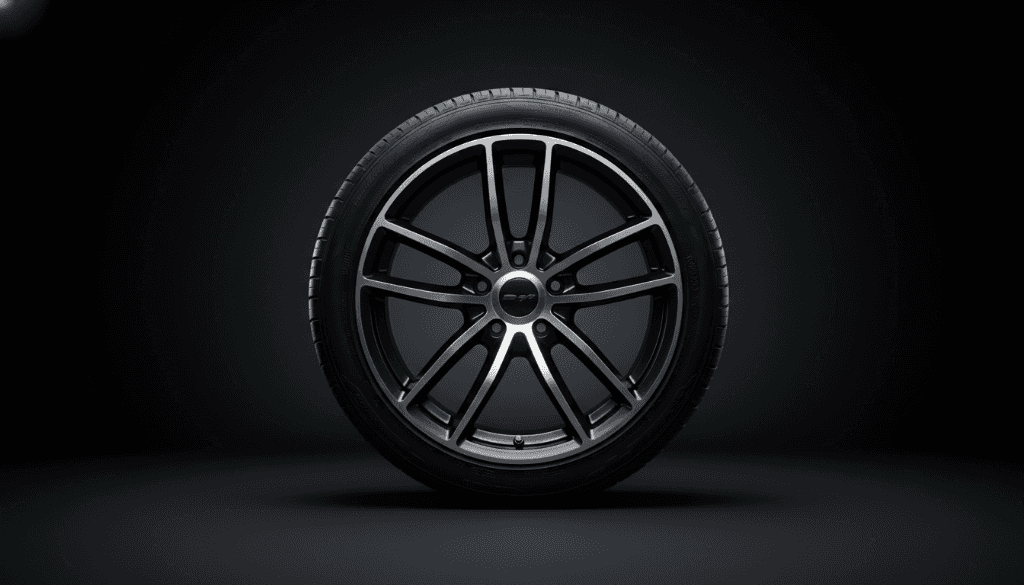
Top speed is electronically limited because the drag radial sidewalls prioritize grip over high-speed rating.
Features Dodge Almost
Didn't Ship
Race-grade features. Factory installed. Even when it was risky.
Factory TransBrake
Legal & Safety NightmareEngineers fought for authenticity. Dodge added explicit warnings and training, refusing to compromise the car's true nature.
Production Drag Radials
Liability RiskDespite poor wet performance, Dodge prioritized grip. They installed a speed limiter and clear documentation instead of switching to safer street tires.
Single-Seat Default
Regulatory HurdlesWhile a true single-seat config was rejected, Dodge shipped cars with passenger/rear seats uninstalled to drive home the 'race-first' message.
Factory Wheelie Bars
Crossing the LineConsidered but cut due to road legality. The fact it was discussed proves how extreme the program was.
The Demon Philosophy
We didn’t build the Demon to be safe, polite, or universal.
We built it to be honest.
Every decision favors performance over comfort, function over convention, and reality over restraint. If a feature belonged on a race car, it stayed—without apology.
If compromise diluted the experience, it was removed. This is engineering without filters. Power without permission.
Limits aren't meant
to be respected.
They're meant
to be crossed.
* Performance stats based on manufacturer testing. Demon 170 figures achieved on prepped surface with rollout.